




.svg)

Full-time living in an Alto
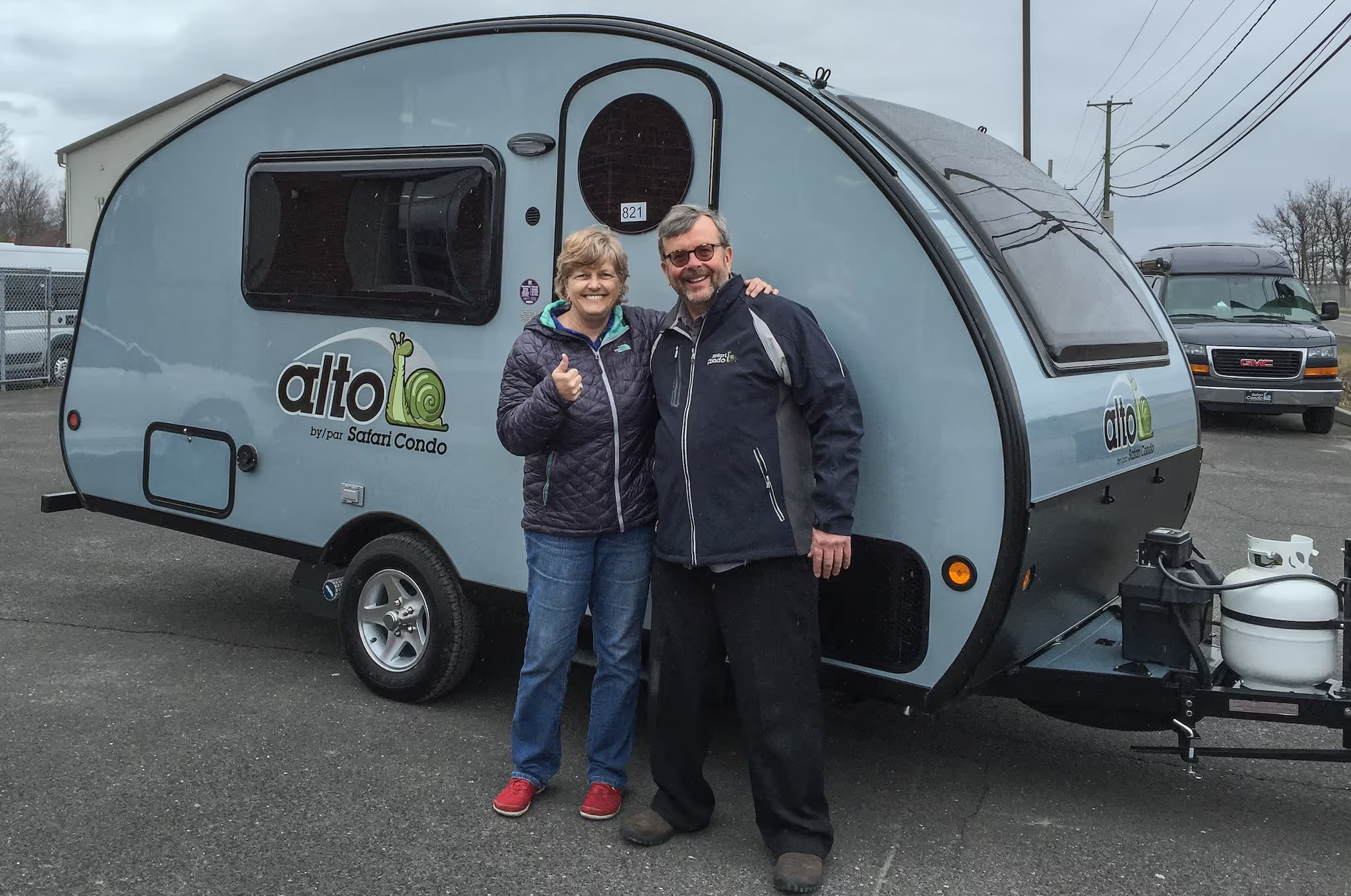
When I ordered my Alto 1743 in February 2015, I had no idea that this small travel trailer would change my life. Ten years later — more than eight of which have been spent living in it full-time — I am amazed by how things have turned out. Summarizing everything that has happened, the places I've seen, the people I've met, and the adventures I've experienced seems impossible, so I'll stick to the highlights... and some advice for my fellow travelers.
From Beginner to Full-Time Nomad
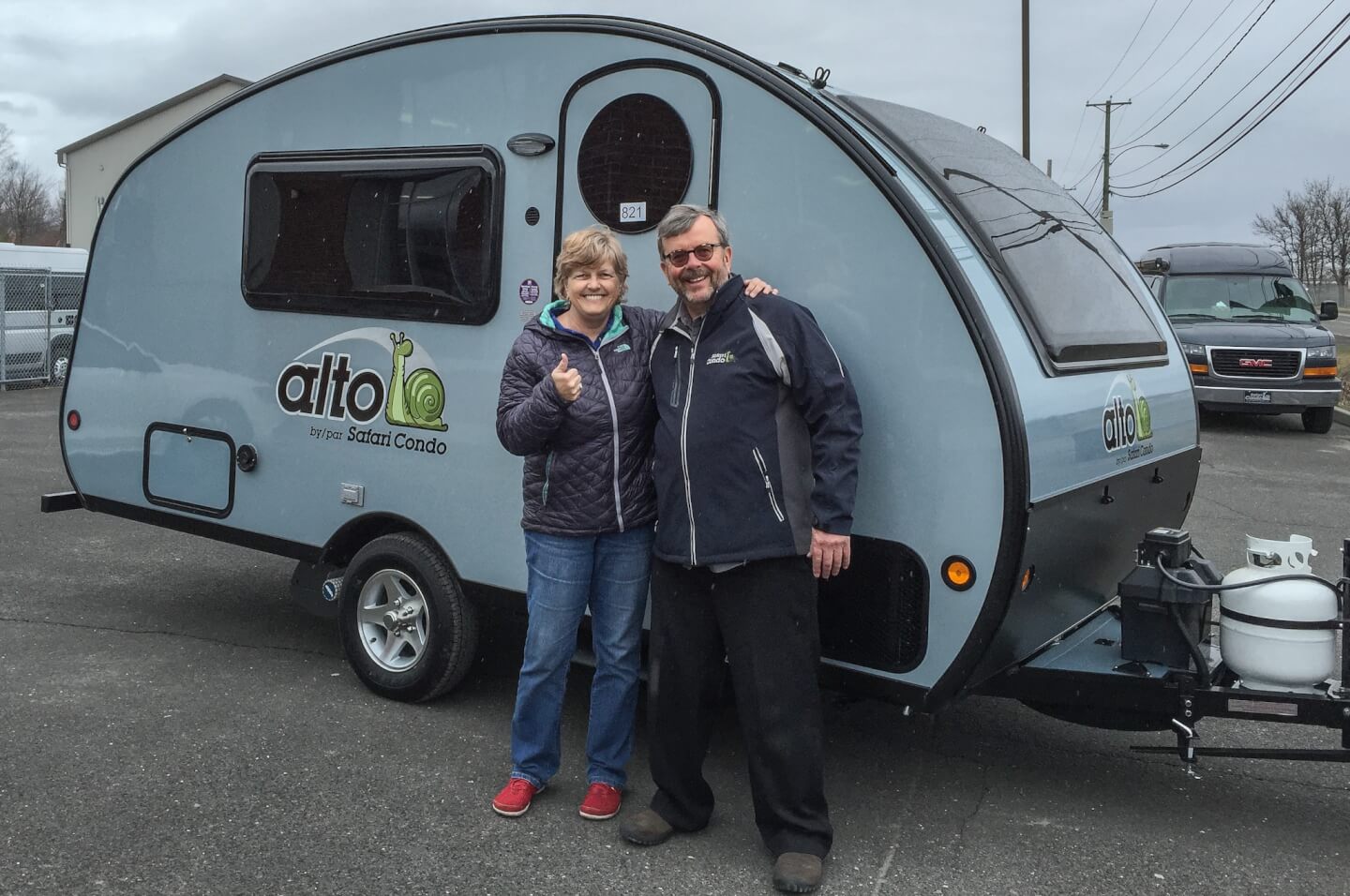
First and foremost, let me clarify that I was a complete beginner: RV life, travel trailers, towing... everything was unknown to me. But I was lucky: I bought an Alto! A reliable travel companion that has endured red dirt roads, highways, and small, pothole-filled roads.
I’ve traveled over 76,000 miles (122,000 km) with my Alto and have never considered buying another model, a van, or a larger RV. My Alto was well-designed, with an efficient interior layout: toilet, shower, and a dining area separate from the bed. Even during a winter cold snap in New Mexico, where I spent five days frozen inside, I never felt cramped. Although many owners customize their Alto (myself included), I made no modifications for the first two years, which speaks to how well it was designed for camping, whether full-time or not. And even though Denis had warned me that the Alto wasn't designed for year-round living, I never regretted my choice. It’s a sturdy little travel trailer that has survived a few flat tires and a sway accident that landed me in a field in Texas (and yes, I drove the Alto to the campground afterward; it was the Subaru in front that took the brunt of the impact).
The 1743 model is very small, which allowed me to set up in campgrounds inaccessible to larger RVs. Like here, at Jedidiah Smith Redwoods State and National Park:
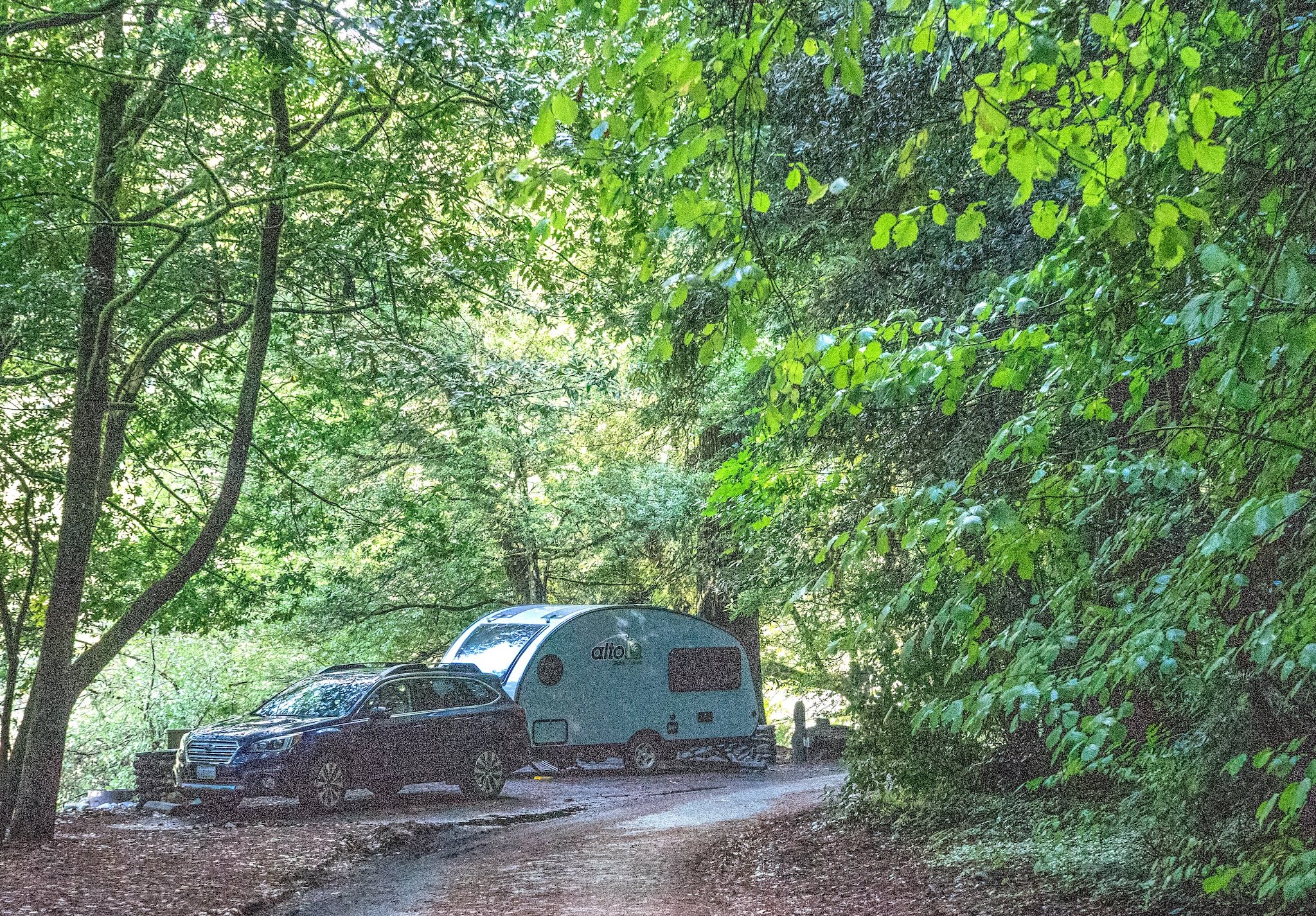
It took a bit of maneuvering to get off the road, but the view was worth the effort:
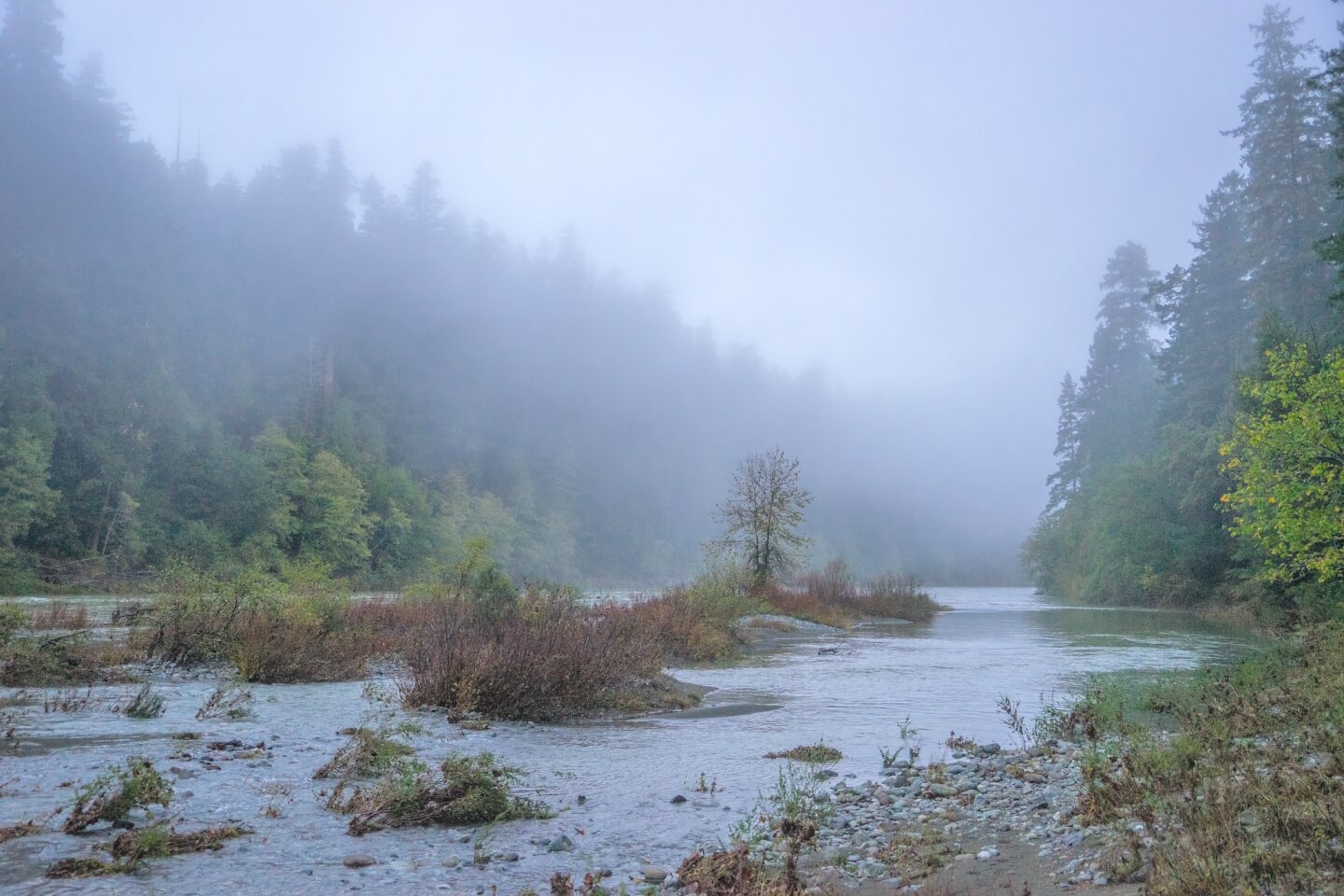
I’ve traveled with my Alto through 47 of the 48 contiguous United States and five Canadian provinces. I’ve visited Utah’s “Big Five” National Parks, camped along the five Great Lakes, and driven the Atlantic and Pacific coasts, from Nova Scotia to Florida, and from Vancouver Island to Southern California. Over 650 campsites, from boondocking in the southwestern deserts to KOAs on the East Coast, including provincial parks, private grounds, and a few friends’ and family’s driveways.
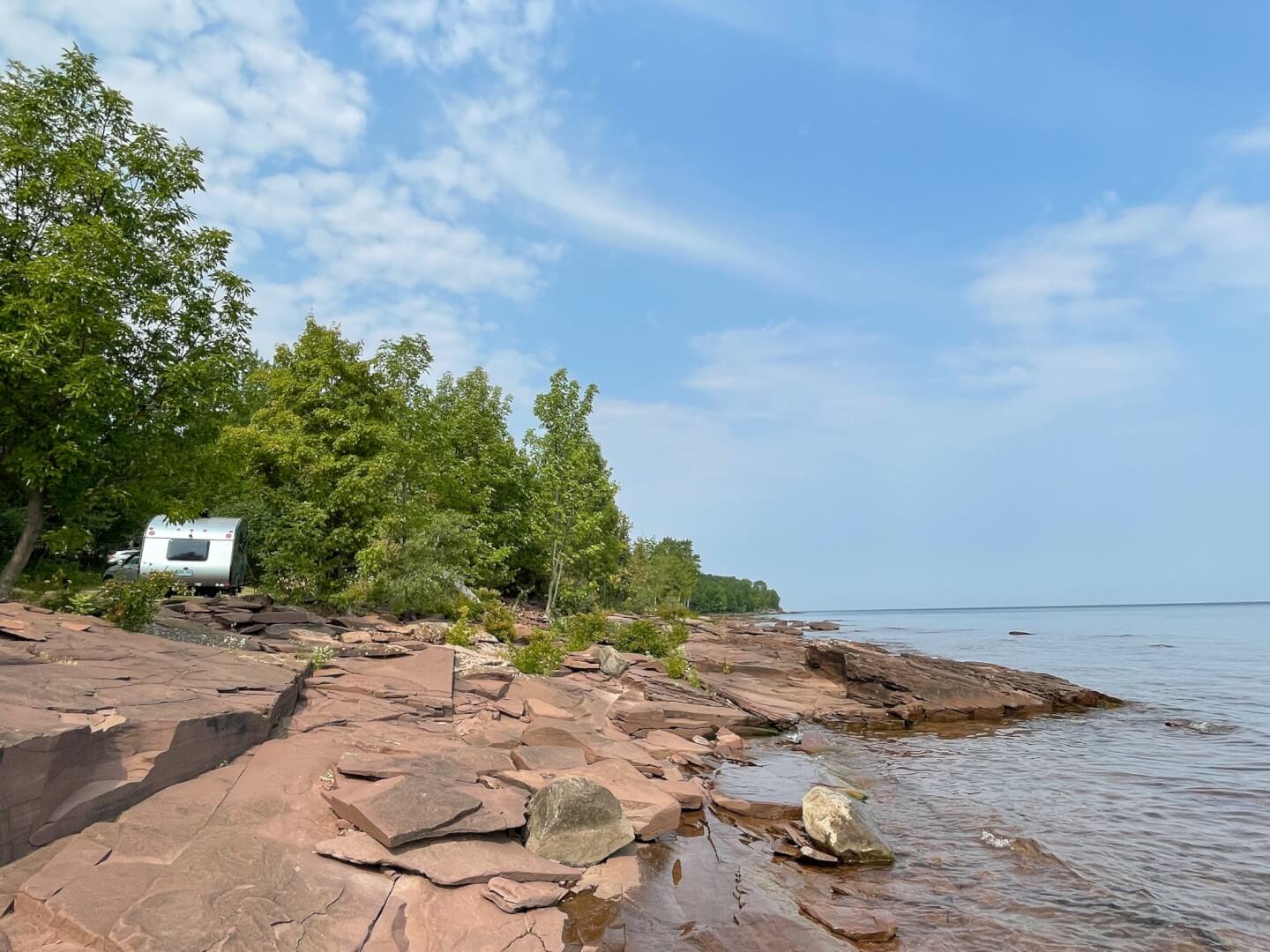
The Alto Owners Community
On my first night on the road with my brand-new Alto, two Alto-owning couples welcomed me near Ottawa with dinner, drinks, and a lovely evening. A little later, a couple from Minnesota taught me many tips on using the Alto. There was always someone ready to help, share a story, or encourage me during difficult times. I’ve formed precious friendships thanks to the Alto, relationships I value immensely. Thank you, Alissa, for creating this group 12 years ago — the shared knowledge has been invaluable in my learning curve.
I’ve attended several Alto gatherings, from Oregon to North Carolina, passing through New York and Quebec. I met wonderful people there, ready to answer my many questions. When I replaced my sink, two owners helped me with endless patience (thank you, Rich and Jim!). And after seven years, when I wanted to change my taillights, two others helped me for a whole day with the installation.
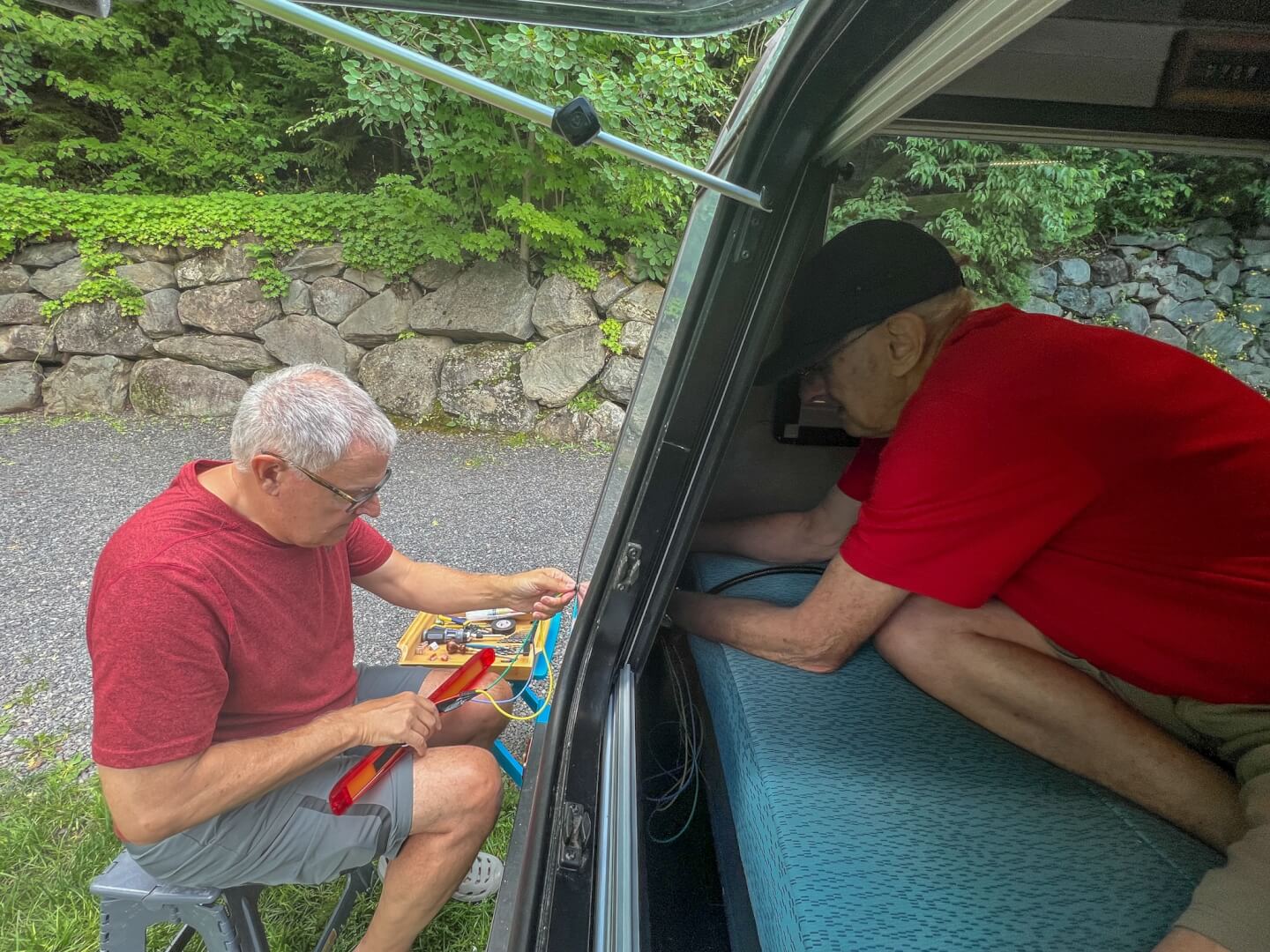
The Safari Condo team has always been great, from the initial order to maintenance and upgrades. Participating in the Grand Gatherings in Quebec in 2018 and 2023 was a real pleasure.
Tips for Travelers
Tip #1: Buy a large road atlas and track your journey.
A Canadian couple I met during my first month on the road showed me theirs. I bought one, along with two highlighters: green for roads, orange for campgrounds. It became a precious souvenir filled with markers of my travels.

Tip #2: Every campsite is different.
Sometimes, your neighbors are too close. Sometimes, someone is in your spot. And other times, you wonder why you chose that particular place.
[Photo: small Alto surrounded by large RVs at Seacliff State Park, California]
But after setting up, you open the curtains and see this:
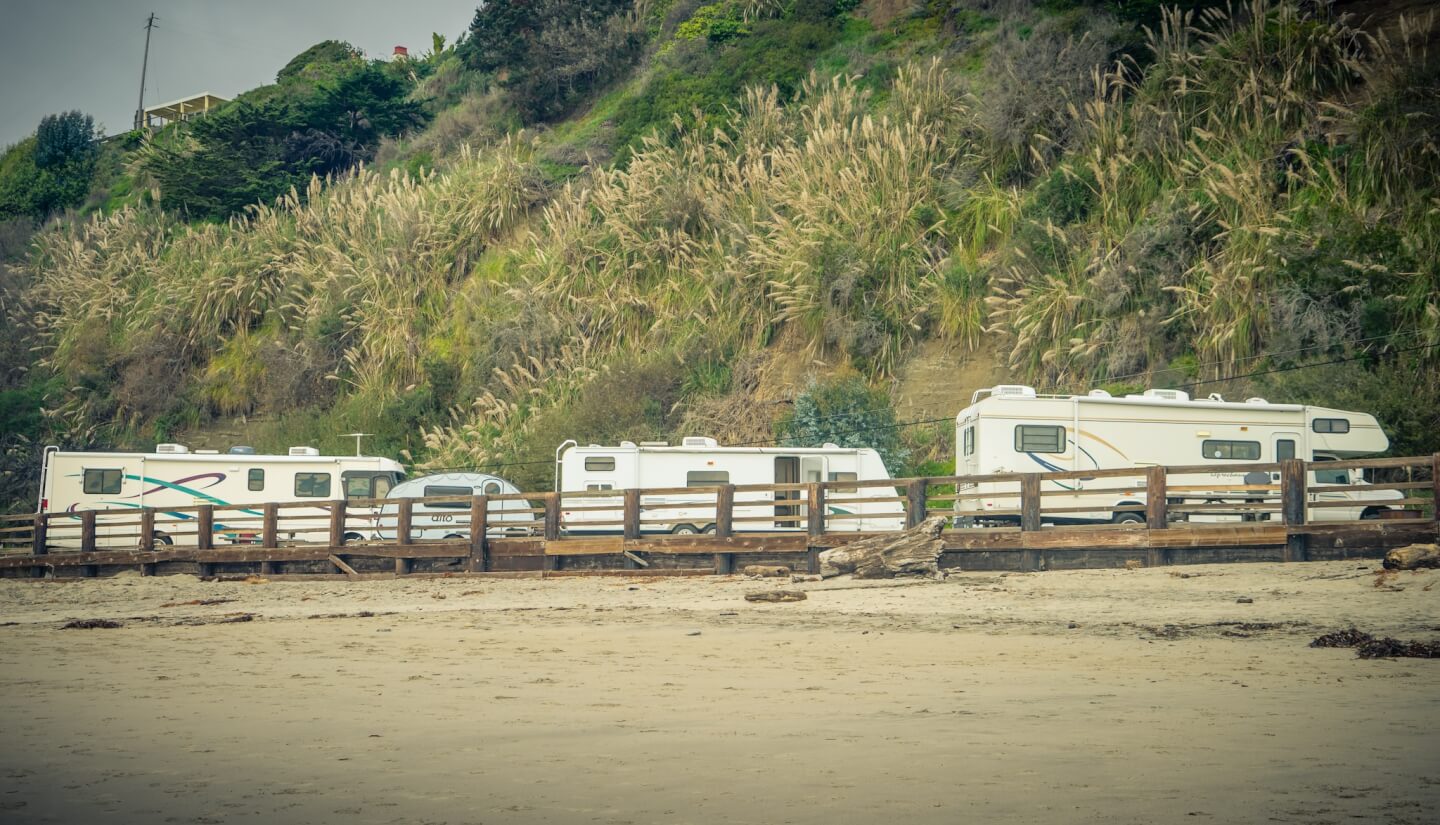
And the magic of camping returns.

Tip #3: You’re never too far from a Walmart.
At first, I stressed about what to buy. An experienced friend reassured me: you’re never as far from a store as you think. Even in Zion, there was a Walmart an hour away and a hardware store 30 minutes away.

Tip #4: Don’t be afraid to change your mind.
Need another tow vehicle? A larger Alto? Do what works for you. After my accident, I sold my Subaru (repaired) for a Honda Ridgeline. Heavier, more space, better for towing. With the Subaru, I could always feel the trailer; with the Ridgeline, sometimes I almost forgot I was towing.
Tip #5: Drive at a speed where you feel safe. (Thanks to Jim Gauvreau)
Large RVs will pass you at 130 km/h. Some will tailgate you, but they’ll eventually pass. I rarely drove over 90 km/h, often around 85.
And finally, remember that life is an adventure, so…

“The most important reason for going from one place to another is to see what’s in between, and they took immense pleasure in doing so.”
— Norton Juster